
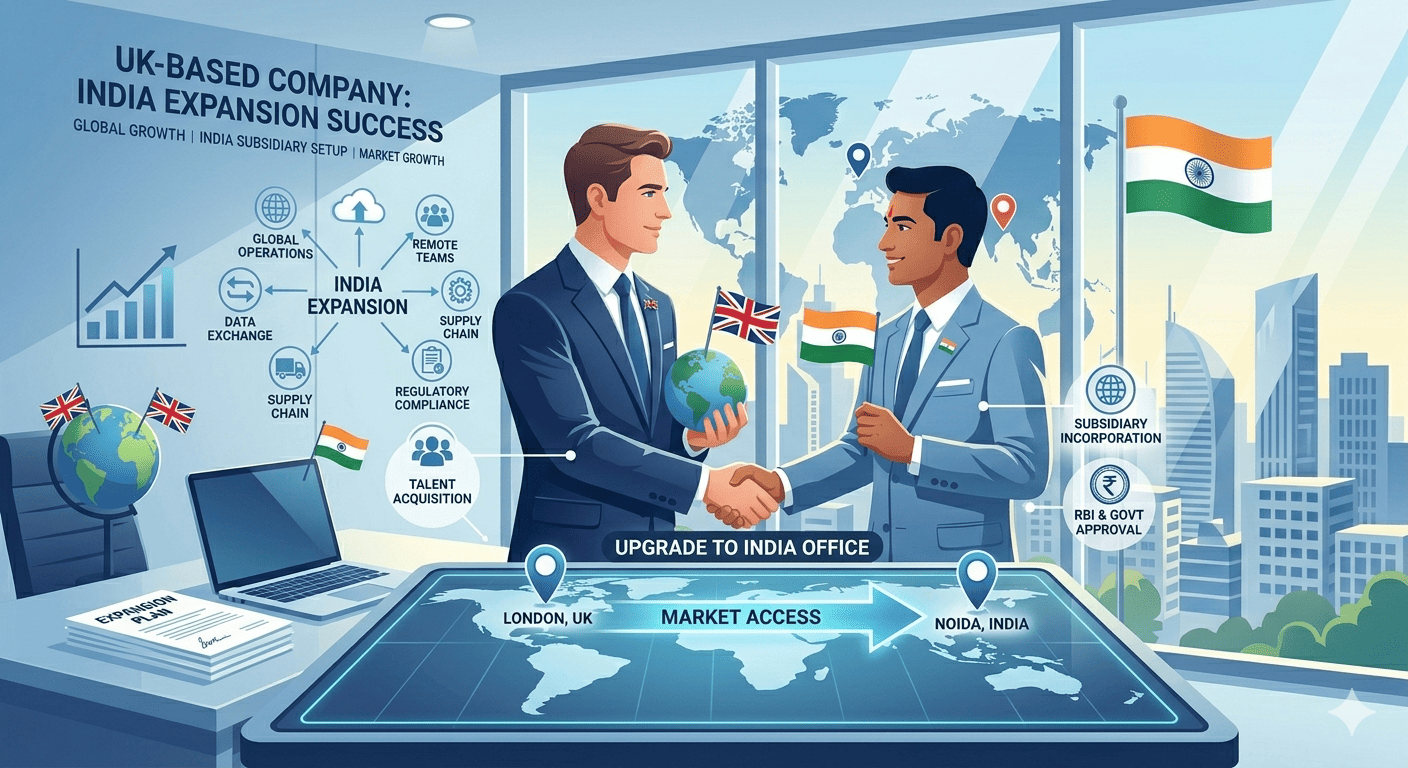
Starting up a business in India has become a strategic priority for many UK and European companies aiming to expand into high-growth markets. India’s combination of economic momentum, policy reforms, and a vast consumer base makes it an ideal destination for global entrepreneurs.
However, entering India requires more than just investment—it demands local understanding, regulatory awareness, and a structured execution plan. In this comprehensive guide, Stratrich outlines a practical roadmap to help you succeed while starting up a business in India.
Understanding the Indian Market Before You Start
Before starting up a business in India, it’s essential to understand that India is not a single uniform market—it is a collection of diverse regions with different consumer behaviors, languages, and purchasing power.
Key Market Characteristics
- Urban vs rural demand differences
- High price sensitivity in most segments
- Strong preference for value-driven products
- Rapid adoption of mobile and digital platforms
A deep understanding of these dynamics will help you position your business effectively.
Deciding Your Entry Structure
Choosing the right entry structure is one of the most important decisions when starting up a business in India.
Wholly Owned Subsidiary
Ideal for companies seeking full control and long-term investment.
Joint Venture
A partnership with a local company can reduce risk and improve market access.
Limited Liability Partnership (LLP)
Best for service-oriented businesses with fewer compliance needs.
Branch Office
Suitable for companies that want to test the market before full expansion.
Each structure has implications for taxation, ownership, and compliance, so careful evaluation is necessary when starting up a business in India.
Registration Process Explained Simply
The registration process for starting up a business in India involves several formal steps:
- Name Approval – Choose a unique and compliant business name
- Director Identification – Obtain required identification numbers
- Documentation Filing – Submit incorporation documents
- Certificate of Incorporation – Official recognition of your company
- Tax Registrations – Apply for PAN, TAN, and GST
- Bank Account Setup – Open a corporate account in India
While the process is streamlined compared to the past, expert guidance can help avoid delays.
Financial Planning and Investment Strategy
Financial planning plays a critical role in starting up a business in India successfully.
Initial Investment Considerations
- Registration and legal fees
- Office setup and infrastructure
- Hiring and training employees
- Marketing and branding expenses
Funding Options
- Parent company investment
- Venture capital or private equity
- Indian banking and financial institutions
A clear financial roadmap ensures stability during the early stages of your business.
Compliance and Regulatory Essentials
Compliance is often the most challenging aspect of starting up a business in India, especially for foreign investors.
Key Compliance Areas
- Corporate filings and annual returns
- Tax compliance and GST filings
- Labour law regulations
- Industry-specific licenses
Maintaining compliance not only avoids penalties but also builds credibility in the market.
Building a Local Presence
Establishing a strong local presence is crucial when starting up a business in India.
Office Location
Choose a city based on your industry—major hubs include Mumbai, Delhi NCR, and Bengaluru.
Local Partnerships
Collaborating with local vendors, distributors, or advisors can accelerate growth.
Branding Strategy
Indian consumers respond well to brands that adapt to local culture and preferences.
Localization is often the difference between success and failure in the Indian market.
Marketing Strategies for the Indian Audience
Marketing plays a significant role in scaling your business after starting up a business in India.
Digital Marketing
India has a massive online audience, making digital channels highly effective.
Social Media Engagement
Platforms like Instagram, LinkedIn, and YouTube are powerful tools for brand visibility.
Regional Marketing
Tailor campaigns to different states and languages for better reach.
Influencer Collaborations
Influencers can help build trust and accelerate brand recognition.
A well-executed marketing strategy can drive rapid growth.
Common Mistakes to Avoid
Many foreign businesses face challenges due to avoidable mistakes when starting up a business in India:
- Underestimating regulatory requirements
- Ignoring cultural differences
- Overpricing products or services
- Lack of local partnerships
- Weak compliance management
Avoiding these pitfalls can significantly improve your chances of success.
Leveraging Government Initiatives
India offers several initiatives that support new businesses.
Startup India
Provides incentives, funding support, and simplified compliance.
Make in India
Encourages manufacturing and foreign investment.
Digital India
Promotes digital infrastructure and online business growth.
Taking advantage of these programs can make starting up a business in India more efficient and cost-effective.
How Stratrich Can Help
Navigating a new market can be complex, but Stratrich simplifies the journey by offering:
- End-to-end business setup services
- Legal and regulatory compliance support
- Market entry strategy consulting
- Financial and tax advisory
- Ongoing operational guidance
With expert assistance, starting up a business in India becomes a smooth and well-managed process.
Conclusion
Starting up a business in India is a powerful opportunity for UK and European companies seeking expansion in a high-growth economy. While the process involves multiple steps and challenges, the potential rewards are significant for those who approach it strategically.
India’s diverse market, digital evolution, and supportive policy environment create the perfect conditions for business success. With careful planning, local adaptation, and professional support from Stratrich, companies can confidently establish and grow their presence in India.
If you are considering starting up a business in India, now is the right time to take the first step and turn your global ambitions into reality.